Top Immigration Pathways to Consider in 2026
Immigration policies continue to evolve as countries respond to labour shortages, economic priorities, and changing global migration trends. In 2026, many governments are placing greater emphasis on attracting skilled professionals, experienced workers, entrepreneurs, and individuals who can contribute to their economies.
While some immigration programs have become more competitive, there are still several well-established pathways that offer eligible applicants the opportunity to relocate, work, and, in many cases, obtain permanent residency.
If you’re planning to move abroad this year, understanding the most practical immigration options can help you choose the pathway that best matches your qualifications and long-term goals.
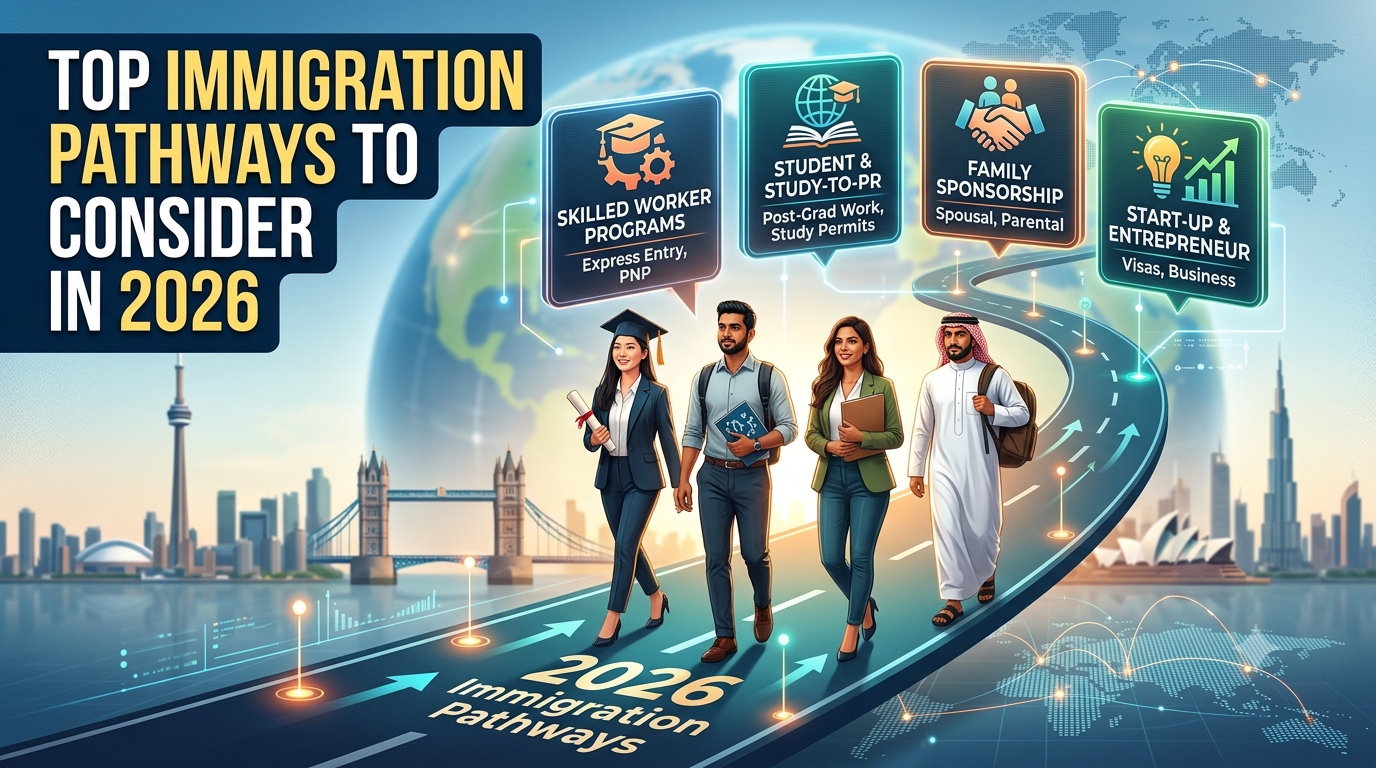
1. Skilled Worker Immigration Programs
Skilled migration remains one of the most reliable routes to living and working abroad.
Many countries continue to experience shortages of qualified professionals in industries such as:
- Healthcare
- Information Technology (IT)
- Engineering
- Construction
- Education
- Skilled trades
Most skilled migration programs assess applicants using criteria such as:
- Educational qualifications
- Skilled work experience
- Language proficiency
- Age
- Adaptability and other immigration factors
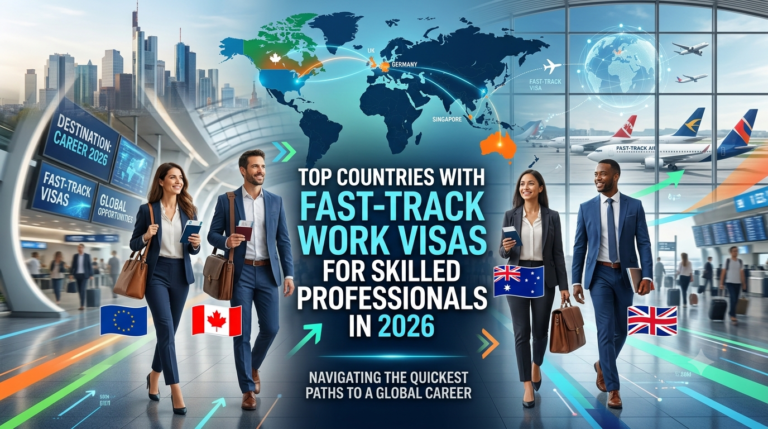
Countries including Canada, Australia, Germany, and the United Kingdom continue to rely on skilled migration to support economic growth and address workforce shortages.
For eligible applicants, many skilled worker programs can also provide a pathway to permanent residency.
2. Employer-Sponsored Work Visas
Employer-sponsored visas remain one of the strongest immigration options in 2026.
Rather than applying independently, applicants receive a qualifying job offer from an employer who is authorised to hire overseas workers.
These programs are especially common in sectors experiencing ongoing labour shortages, including:
- Healthcare
- Engineering
- Information Technology
- Hospitality
- Construction
- Agriculture
- Logistics
Because applicants already have confirmed employment, employer-sponsored visas can offer a more structured pathway into the labour market and, in some countries, may lead to permanent residency after meeting the required conditions.
3. Study-to-Work Pathways
For many international students, studying abroad has become more than an educational opportunity—it can also be the beginning of a long-term immigration journey.
Several countries allow eligible graduates to remain after completing their studies through post-study work permits, enabling them to gain local work experience before applying for longer-term immigration programs.
This pathway is often most effective when:
- Your qualification matches occupations in demand
- The country offers post-study work opportunities
- You gain skilled employment after graduation
Popular destinations offering study-to-work pathways include Canada, Australia, the United Kingdom, Germany, and Ireland.
Local education combined with professional work experience can significantly strengthen future immigration applications.
4. Family-Sponsored Immigration
Family sponsorship remains one of the most established immigration pathways worldwide.
Many countries allow citizens and permanent residents to sponsor eligible close relatives to join them.
Common categories include:
- Spouses and partners
- Dependent children
- Parents (where eligible)
- Other qualifying family members under specific immigration programs
Although processing times may vary, family reunification continues to be an important part of many national immigration systems.
5. Business, Startup, and Entrepreneur Visas
Many governments continue to encourage entrepreneurship by offering immigration pathways for business owners, startup founders, and investors.
These programs are generally intended for applicants who can:
- Establish new businesses
- Expand existing companies
- Create employment opportunities
- Invest in the local economy
- Drive innovation
Applicants are often required to submit business plans, demonstrate financial capacity, and satisfy investment or operational requirements.
For qualified entrepreneurs, these visas can provide valuable opportunities to build a business while working toward long-term residence.
6. Digital Nomad and Remote Work Visas
As remote work becomes increasingly common, more countries are offering visa programs designed specifically for professionals employed by overseas companies or operating online businesses.
These visas are well suited for:
- Remote employees
- Freelancers
- Consultants
- Digital entrepreneurs
Although digital nomad visas do not always lead directly to permanent residency, they can allow professionals to experience living abroad while exploring longer-term immigration options where available.
7. Humanitarian and Protection Pathways
Some countries continue to provide humanitarian protection for individuals fleeing conflict, persecution, or other serious circumstances.
These pathways include asylum and other forms of international protection for people who meet the legal requirements established under national and international law.
Because these programs are designed for individuals facing genuine humanitarian needs, they should not be viewed as general immigration options for employment or lifestyle relocation.
How to Choose the Right Immigration Pathway
Selecting the best immigration route depends on your personal circumstances.
Before applying, consider factors such as:
- Your education and professional qualifications
- Work experience
- Language skills
- Financial resources
- Family connections
- Career goals
- Long-term settlement opportunities
Understanding how your profile aligns with a country’s immigration priorities can improve your chances of success.
Final Thoughts
Successful immigration in 2026 is less about finding the “easiest” country to move to and more about choosing the pathway that best matches your qualifications, experience, and long-term objectives.
Whether you’re a skilled professional, international student, entrepreneur, or someone hoping to reunite with family, there are still excellent opportunities to build a future abroad.
Before submitting any application, carefully review the latest immigration requirements published by the relevant government authorities, ensure your documents are complete, and prepare your application thoroughly. Careful planning today can help you achieve a smoother and more successful immigration journey tomorrow.